Sovereign Archiving: The Digital Seed Vault of the Orchard
In an era defined by the "Great Flattening," where the public internet has transitioned from a permanent record of human thought into a transient and increasingly manipulated stream, the act of archiving has moved beyond a technical task to become a revolutionary necessity. We are witnessing a period where the authentic human signal is being systematically smoothed over by recursive AI models and filtered through the narrowing lens of centralized political and commercial interests. Sovereign Archiving is our dedicated response to this digital erosion. It is the practice of pulling the most vital threads of our global history behind the fortified perimeter of The Orchard and The Grove, ensuring that the stories of our time are preserved exactly as they occurred, rather than how the governments or corporate entities of the day might wish them to be remembered by future generations.
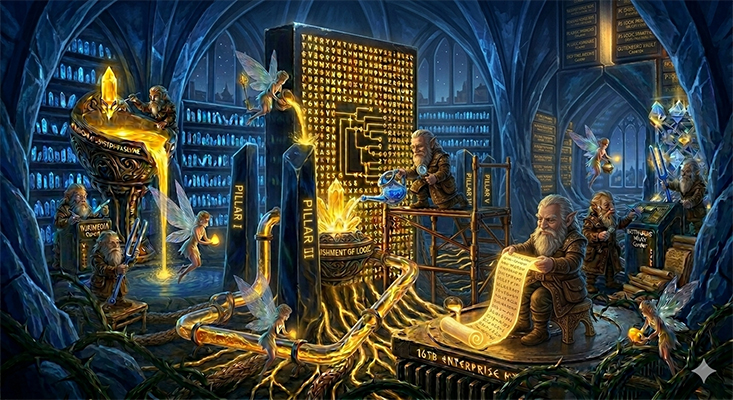
This project is the construction of a Digital Seed Vault for the mind. Just as physical seed vaults protect the biological diversity of our planet against environmental collapse, our sovereign archive protects intellectual and historical diversity against the suffocating effects of modern information warfare. By maintaining absolute local control over the storage medium, the file formats, and the retrieval logic, we ensure that the human record remains a permanent, searchable, and verified baseline. On the Orchard, we do not just host files; we host the uncorrupted memory of our species, providing a resilient bastion where the truth is shielded from the retroactive edits of the "AI Wash."
The Bastion of Permanence and the Death of Mainstream Media
The modern information landscape is currently haunted by the slow suffocation of mainstream media. What were once institutions of record have largely become instruments of political and commercial interests, forced to prioritize algorithmic engagement and editorial alignment over the raw, unmediated reporting of events. We are seeing a "Great Thinning" of the news, where complex global stories are reduced to featureless bullet points designed to satisfy the immediate requirements of the "Attention Economy." In this environment, the mainstream record is no longer a reliable anchor; it is a shifting sandbank, constantly reshaped by the tides of contemporary narrative management and the regulatory pressures of acts like the UK’s Online Safety Act.
Our methodology of Sovereign Archiving rejects this centralized fragility. We treat the Orchard—our primary high-density host—as a physical fortress for the truth. Within the virtual environment of Blackberry, we perform the "Ingestion and Hardening" of diverse information streams. We do not rely on a single source or a centralized provider to tell us what is happening in the world. Instead, we capture snapshots of stories as they break, bypassing the "filters of delay" that allow political interests to sanitize a narrative before it reaches the public archive. By shifting these archives from cloud-dependent to host-sovereign, we ensure that no corporate "Terms of Service" or government mandate can retroactively delete a historical event from our local vaults.
The Lens of Disparity: Capturing Unique Bias and Agenda
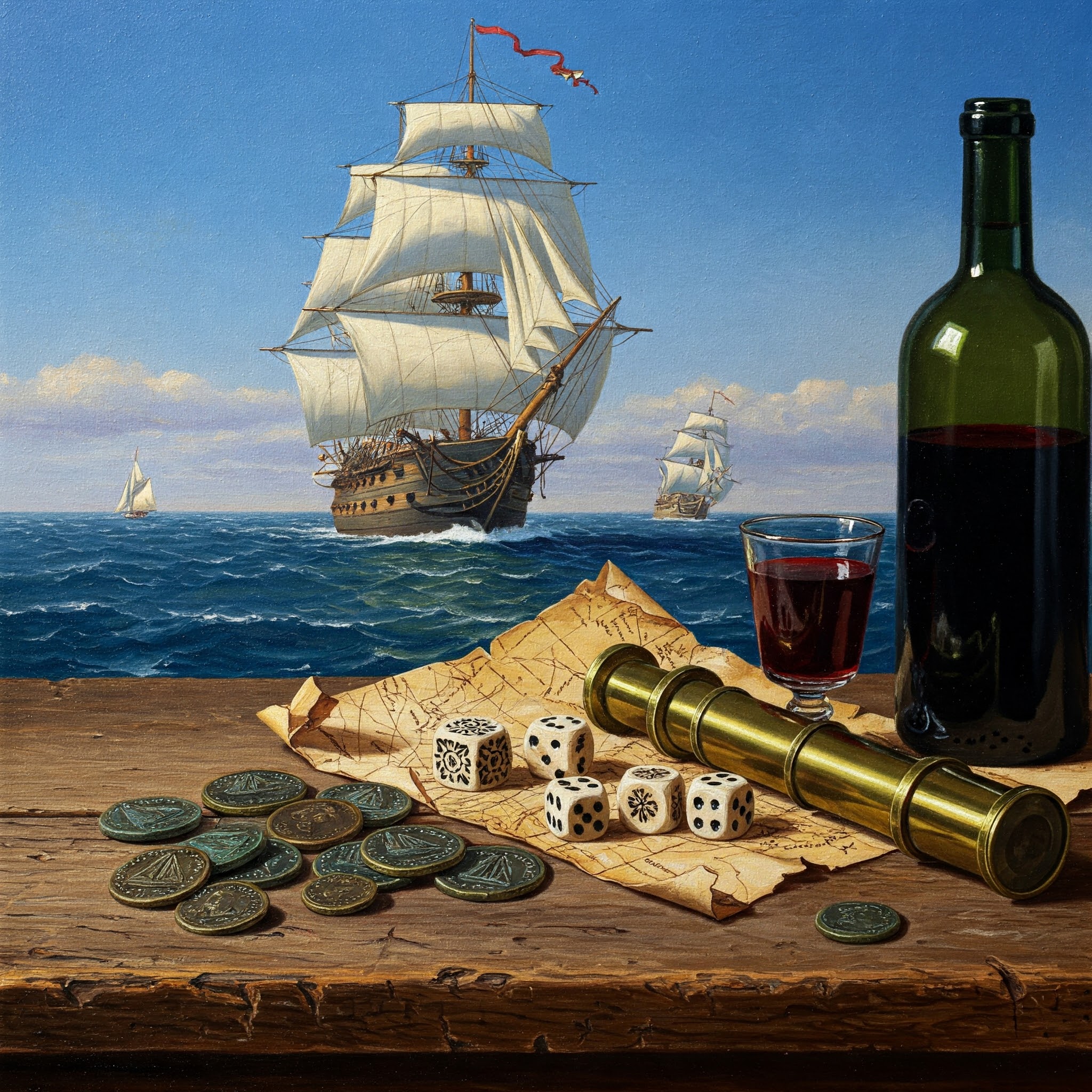
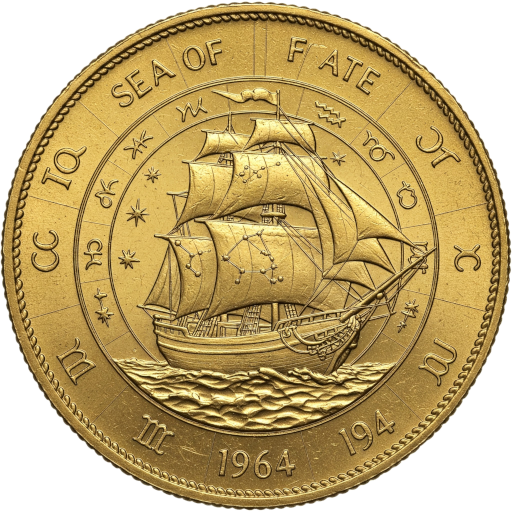
A central pillar of the Sovereign Archive is the recognition that truth is rarely found in a single, "objective" account, but is instead revealed through the intersection of disparate, biased perspectives. We do not seek to find a source without an agenda, for in the "Sea of Fate," every navigator has a destination. Instead, we prioritize the collection of data from a wide variety of conflicting sources, capturing events through the lenses of different political ideologies, different countries, and different cultural baselines. We archive the official state media of rival nations alongside the independent reports of "rugged" frontline journalists and the raw, uncurated data of social mirrors.
This approach acknowledges the importance of bias as a data point in itself. By capturing the unique agendas of disparate sources, we preserve the "texture" of the historical moment. We see how a single event is framed in London versus Beijing, or how it is interpreted by a commercial conglomerate versus a local, independent collective. When these conflicting snapshots are stored within the Midnight Blue shadows of our Keep, they provide a multi-dimensional view of history that the "flattened" summaries of modern AI can never replicate. We use our logic engines on The Grove to map these differences, not to decide which one is "right," but to understand the full complexity of the human experience. We are preserving the scars of our history so that they are not lost to the featureless plain of synthetic consensus.
Beyond Passive Storage: The Archive as a Living Truth Engine
A sovereign archive must be more than a dark room filled with static data; it must be a living Truth Engine capable of active analysis. Within the Grove, we use our Prolog logic engines to index these archived snapshots, transforming them into a dynamic, queryable landscape. When a researcher queries the archive, our Sovereign AI on Quince doesn't just "find" a file; it reasons across the entire historical record. It bridges the gaps between a 19th-century manuscript from the Gutenberg Vault and a modern ArchiveBox snapshot of a breaking global event. This allows us to see the "long-tail" of a story, tracing the evolution of a narrative from its raw, chaotic origin to its eventually sanitized mainstream version.
This active curation is what prevents "Signal Decay." By cross-referencing our local mirrors, we can identify exactly where a narrative began to drift from its primary-source foundation. We use the archive to ground our neuro-symbolic intelligence, ensuring that every conclusion drawn within the Citadel is anchored in a verified, uncorrupted record of what was actually said and done at the time. In the Sovereign Keep, archiving is not the end of a data lifecycle; it is the beginning of a deeper, more profound analysis of the human journey. We are preserving the maps of where we have been—with all their flaws, biases, and contradictions—so that we may never lose our way in the digital void of the future.